Featured Course this month! 

If you're a Pelvic Global Member, make sure you're logged in to get your exclusive price with the "MEMBERS" button! Curious about Pelvic Global Membership? LEARN MORE

Whole Person Pelvic Floor Health: A Movement, Breath, and Nervous System-Informed Approach
PT/OT CEUs

  • 7 Hours
  • PT/OT CEUs available for all 50 states in the US
  • Click below for CEU specifics for each state.

Access

  • Immediate access
  • Unlimited access to course contents 

Audience

  • Licensed physical therapists and physical therapist assistants
  • Movement professionals working within their scope of practice
IMPORTANT CEU INFORMATION: If you don't see your state listed in the "CEU Info" above under ANY of the categories for your profession (including "Meets requirements for"), please email courses@pelvicglobal.com to request your state. 

If you are an OT and you need CEUs, please email courses@pelvicglobal.com to request CEUs. 
If you're a Pelvic Global Member, make sure you're logged in to get your exclusive price with the "MEMBERS" button! Curious about Pelvic Global Membership? LEARN MORE
Learn a new strategy for managing pressure systems!

What to expect:

Many physical therapists report challenges in treating pelvic floor dysfunction when they are limited by scope, patient comfort, or lack of training in internal or manual techniques. This intermediate-level course addresses those challenges by presenting a comprehensive, non-invasive framework for evaluating and supporting the pelvic floor through full-body movement, breathwork, alignment, and nervous system integration. Rather than approaching the pelvic floor in isolation, participants will learn how to assess and treat it in the context of posture, breath mechanics, kinetic chain relationships, and autonomic state.

The course covers practical strategies for identifying and addressing common clinical presentations such as limited pelvic mobility, breathing inefficiencies, excessive or diminished kyphosis, hip mobility and strength imbalances, and forward head posture, particularly when clients become stuck in these patterns and unable to move fluidly in and out of them. Special attention is given to addressing decreased proprioception, diminished interoceptive awareness, and nervous system dysregulation, factors that are often overlooked but commonly present in pelvic health clients. Through evidence-informed lectures, movement labs, and case studies, participants will gain tools to promote neuromuscular coordination, client agency, and long-term functional outcomes. This course equips physical therapists to expand their treatment options for pelvic health within a trauma-sensitive, movement-based, and holistic framework.

What will you learn?

After completing this course, participants will be able to:

  1. Identify key anatomical structures and functional relationships of the pelvic floor as they relate to breath mechanics, posture, and movement throughout the kinetic chain.

  2. Analyze common movement patterns and compensations, such as limited pelvic mobility, altered breathing strategies, and postural imbalances, that may influence pelvic floor performance and symptom expression.

  3. Demonstrate movement-based assessment techniques and cueing strategies that integrate proprioception, interoception, and nervous system regulation to support pelvic floor function.

  4. Develop client-centered intervention plans that use breathwork, mindful movement, and alignment-based sequencing to optimize pelvic floor health without relying on internal or manual therapy techniques.

Be able to teach classes or work one-on-one!

Course Content:

Module 1: Introduction

  •  Introduction + Course Overview
  •  Functions of the Pelvic floor


Module 2: FOUNDATIONS: ANATOMY + MECHANICS

  •  Anatomy: Bony Structure
  •  Anatomy Review: Muscles of the Pelvic Floor
  •  Palpation Lab: Bony Landmarks
  •  Palpation Lab: Mapping the Pelvic Floor
  •  Home Base: Neutral + Stacked
  •  Length Tension Influences on the Pelvis
  •  Influences of the Hip on the Pelvic Floor
  •  Ribcage Position and the Pelvic Floor
  •  Feet and the Pelvic Floor
  •  Head + Neck Position and the Pelvic Floor

Module 3: Foundations: Breath 

  •  Mechanics of Breath
  •  Intra-Abdominal Pressure
  •  Bandhas
  •  Influences of the Breath
  •  The Breath as a Bridge

Module 4: Foundations: Nervous System 

  •  Foundations of the Nervous System
  •  New Framework for Attending to the Pelvic Floor

Module 5: Restoration Tools: Body    

  •  Restoration for Posterior Pelvic Tilt
  •  Restoration for Anterior Pelvic Tilt
  •  Restoration for Pelvic Hike + Rotation
  •  Restoration for the Hips
  •  Restoration for the Ribcage
  •  Restoration for the Feet
  •  Restoration for Head + Neck Position

Module 6: Restoration tools for the Breath

  •  Breathing Restoration for the Pelvic Floor
  •  Restoration for the Breath part 1
  •  Restoration for the Breath part 2

Module 7: Restoration Tools for the Nervous System

  •  Restoration for the Nervous System: Proprioception
  •  Restoration for the Nervous System: Interoception
  •  Restoration for the Nervous System: Mindful Awareness

Module 8: Assessment 

  •  Interview with Jessica
  •  Body Assessment

Module 9: Case Studies    

  •  Case Studies
Meet the instructor

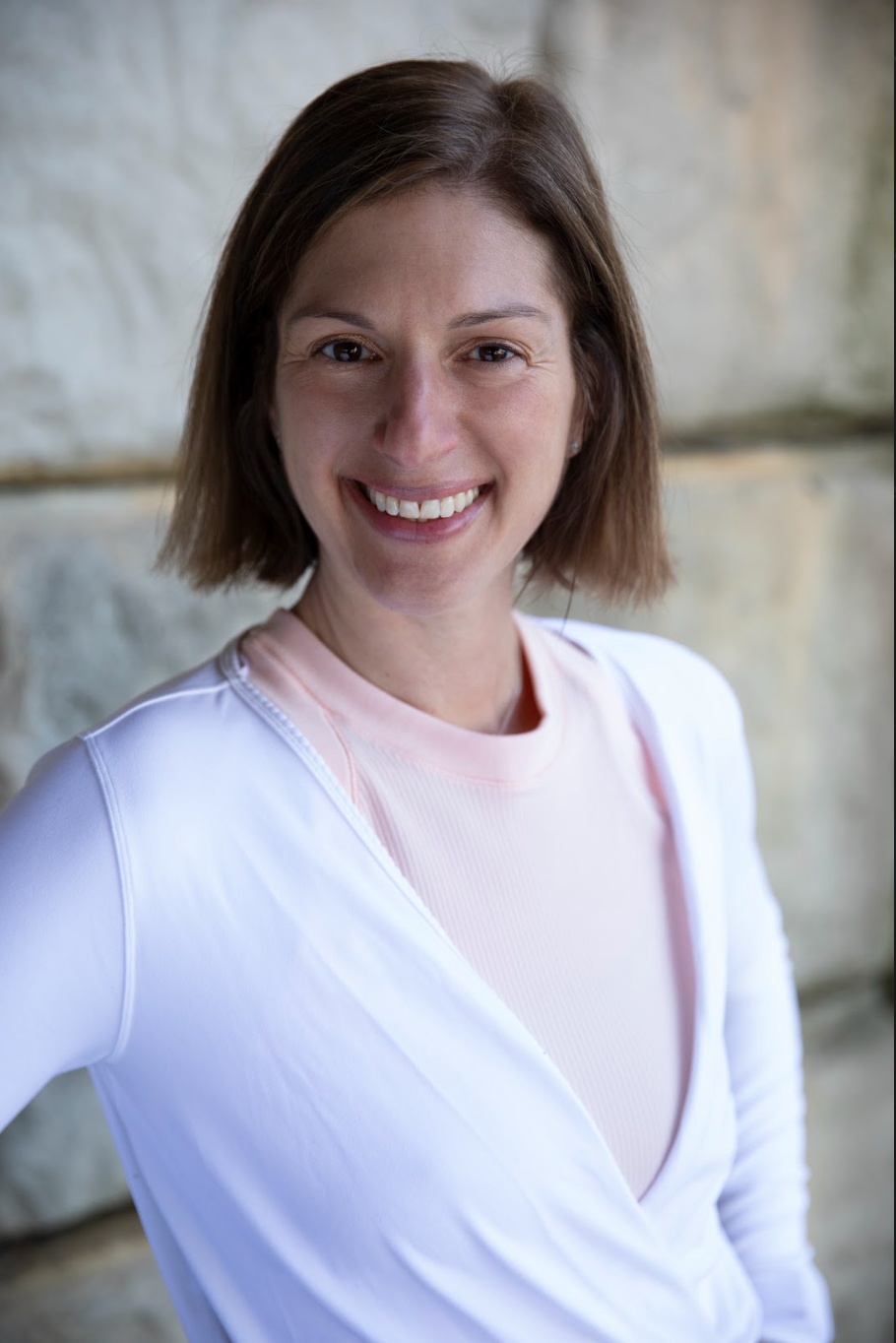
Diana Zotos Florio, PT, MS

Diana Zotos Florio, PT, MPT, CSCS, CYT, is a licensed physical therapist, yoga teacher, and co-founder of the Threes Physiyoga Method—an integrative approach blending physical therapy and yoga to support functional, whole-person healing. For nearly two decades, she has practiced with a holistic lens, combining biomechanics, breathwork, nervous system science, and mindful movement to uncover and address the why behind pain and dysfunction. Over the past 12 years, her clinical focus has centered on pelvic floor health and its dynamic relationship to the core, breath, stress, nervous system, and the full kinetic chain.

Since 2010, Diana has educated movement and healthcare professionals in orthopedic rehab, and since 2015, has taught her physiyoga method globally. She draws from advanced training in prenatal/postpartum care, orthopedics, sports medicine, Pilates, and yoga to teach a systems-based approach that moves beyond isolated symptoms. Through clinical work, online classes, and international trainings across 25 countries, she empowers professionals to understand the body as an integrated whole—where healing is guided by science, informed by story, and sustained through embodied awareness.
You may also be interested in...